What I’ve learned from TIGER 21… and how it has enhanced my ability to work with our legacy program clients
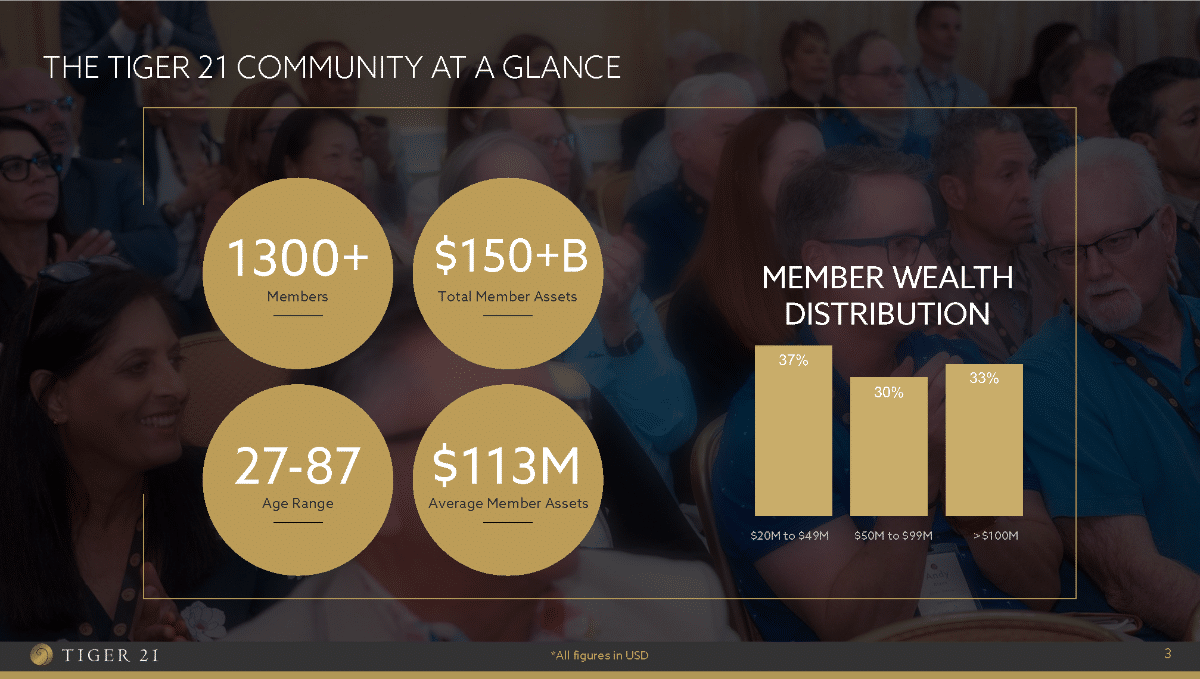
TIGER 21 Members (The Investment Group Enhanced Returns) are part of a trusted, confidential community that enables ultra-high-net-worth entrepreneurs, investors and executives to learn from each other to navigate the issues and opportunities that stem from success.
One thing that I’m impressed by members of that group, and that I also see in a lot of our clients, is that they are lifelong learners in every aspect of their life. They’re always very interested and interesting people and I think that’s a huge part of their success. They value being around peers not only to get advice but to be able to share opportunities and challenges without judgment – often just speaking out loud allows them to resolve the issue themselves!
That’s why I am involved with TIGER; I enjoy facilitating the lifelong learning and learning along with the members of the group.
I’ve served as the Chair of a Los Angeles TIGER group since 2002 and Chair of a Newport Beach TIGER group since 2023. As the Chair, my role is to set the stage for the members to deliver value to their fellow peers by providing objective feedback in a confidential setting.
These members are ultra-high-net-worth investors/entrepreneurs (typically defined as $20M+ in investible assets).
They have the same challenges as merely “affluent” individuals when it comes to estate planning.
Pressed for time, they typically don’t have an ongoing relationship with an estate planning attorney who knows them – just someone who did a good job on their plan five years ago whom they haven’t talked to since then – but they mean to! Their assets aren’t typically aligned with their estate plan. This only added to my conviction that all affluent or high-net-worth clients need an ongoing relationship with their estate planning attorney through something like the legacy program.
They have tension between wanting to minimize estate taxes but not wanting to overcomplicate their lives or tie their hands.
They have concerns about raising their children in more affluence than they grew up in and whether/how that will affect feelings of entitlement or motivation. Although some grew up affluent, most didn’t, and that colors their feelings about planning for large inheritances for their children.